

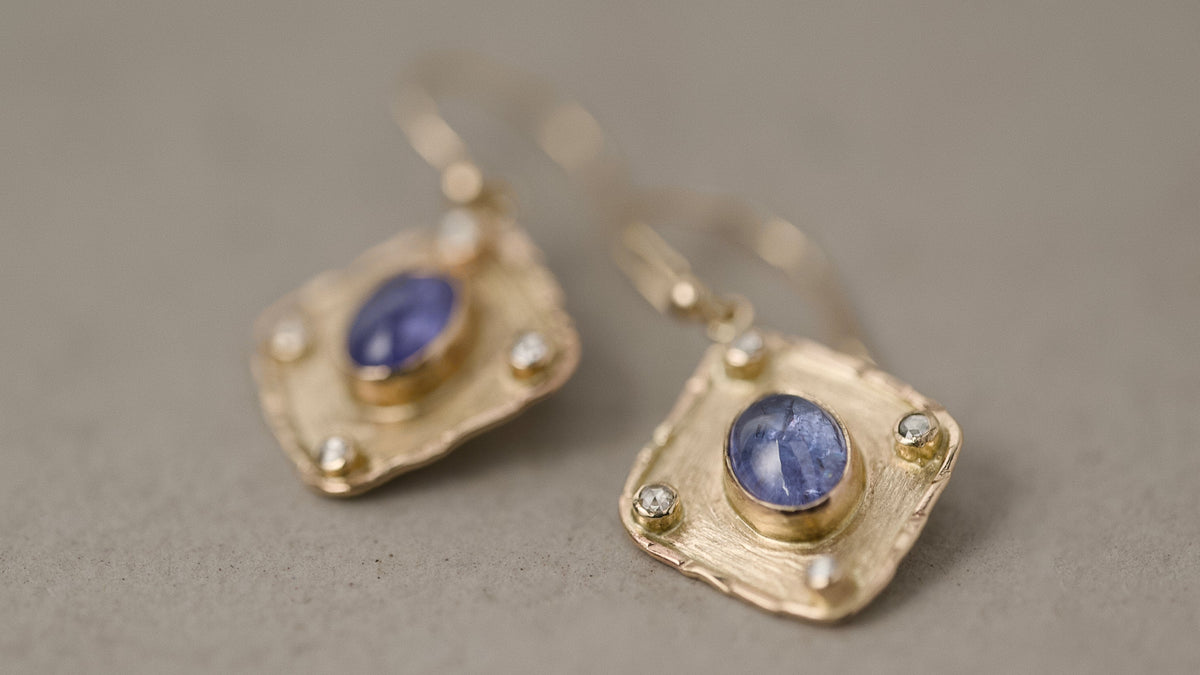
Tanzanite — December's Ultraviolet Gem
50 years young
Tanzanite caused a ripple in the gemstone world when it was discovered in 1967 as it filled a gap in the colour spectrum not covered by any other gemstone: violet. In addition, it was also transparent, enabling the faceting of flawless gemstones for jewellery making. This indigo violet blue gemstone was an accidental discovery and with a bit of luck and a whole lot of marketing it has become one of the most popular blue gemstones in just half a century.
Pictured is Kat Florence's 423ct Namunyuk tanzanite and diamond necklace, since auctioned to build a school in Nepal.
Mined in a single location
The common story of Tanzanite’s discovery tells of Maasai herders who found blue crystals in the Merelani Hills near Arusha, Tanzania, while tending livestock in the 1960's. They notified a prospector named Manuel d’Souza, who promptly registered claims with the government. Initially, d’Souza thought he was mining sapphire gems, but the crystal was soon identified as a vibrant blue variety of zoisite—a mineral stone that had been around since the early 1800s but not in this hue.
Another legend of the discovery of the stone back in the 1960’s claims that the Maasai warriors who found it, & did so after a large bushfire swept the area. The fire burnt all the foliage back revealing some gemstones on the surface which with intense heat from the fires transformed them into an eye catching sparkling blue. Without the fire, Tanzanite may never have been discovered as the Maasai may not have noticed them in their brownish shades against the bare, burnt earth.
It has not been found anywhere else in the world.
[IMAGE: Tiffany 1970 advertisement tanzanite]
In the 1970's it was found in two places: Tanzania & Tiffanys
Shortly after its discovery in Tanzania, it was brought into the limelight by Tiffany & Co, known for its investment in unusual new and colourful gems. They changed the name from an unfavourable "Blue Zoisite" which sounded too much like "suicide" to "Tanzanite" after its country of origin and a new covetable jewellery gemstone had arrived.
Tiffany began using it in its designs 1968 shortly after its discovery – the first jeweller in the world to do so and had the sole rights to marketing the gemstone for the first ten years. Its introduction in its 1970's advertisement above as “The loveliest blue gemstone discovered in over 2,000 years", Tiffany's firmly established Tanzanite as one of the most sought after blue gemstones.
Its popularity was given a further boost in 2002 when the International Gem Society added Tanzanite to its other December stones, turquoise and blue zircon. It was the first birthstone added to their list since 1912.
[IMAGE: before and after heat treatment tanzanite]
Trichroic Properties & Heat Treatment
Tanzanite, the blue variety of the mineral Zoisite, is a trichroic gemstone. In basic terms this means that it displays 3 different colours on 3 different axes/directions. In the rough state, when tanzanite is mined, its appearance is largely of a brownish, treacle colour (left photo above). This is due to the dominance of the reddish/brown axis. Heat treatment removes the reddy brown axis leaving the blue and violet tones exposed permanently (right side).
So heat treatment doesn't enhance the stones colour, it reduces it to a dichroic crystal revealing its fabulous indigo blues (as accidentally discovered by the Masai after bush fires). Most tanzanite is heat treated but natural pinks, greens and browns are used by jewellers who desire unique jewels in their unheated state. Their trichroic nature allows different shades to appear depending on how the stone is oriented during cutting.
the gemstone of transformation
If you have a desire to be rid of old patterns and embrace divine healing then the Tanzanite helps with the immune system, emotional and spiritual recovery. Its gorgeous indigo violet light is ideal when recovering from illness or providing a steady calming influence in stressful situations. Tanzanite can help overcome fear, stoke creativity and confidence in our power.
Once in a generation
Tanzanite stands firmly in the gem and jewellery market on its own and is very much linked to rarity - the finer the colour/clarity/cutting grade the higher the price. Its main drawback is that it is relatively soft (Moh's hardness 6.5-7) compared to rubies & sapphires at Moss 9 and Emerald at 7.5-8. While it's perfectly fine in earrings and pendants, it does need care in rings as it can be scratched.
[IMAGE: tanzanite stone colour]
Tanzanites are often referred to as the “gemstone of a generation” because this generation are likely to be the only ones able to buy from the primary deposit, of gemstones unearthed in Tanzania. It is believed that the mines will be depleted in by the middle of this century, so the largest flawless gemstones are becoming increasingly rare, although smaller stones will continue to be found as tailings are reworked.
Tanzanite is such a unique colour, it deserves a place in every jewellery collection, particularly as they will only get more expensive as time goes on. It may be the first gemstone to appear and disappear within one generation.

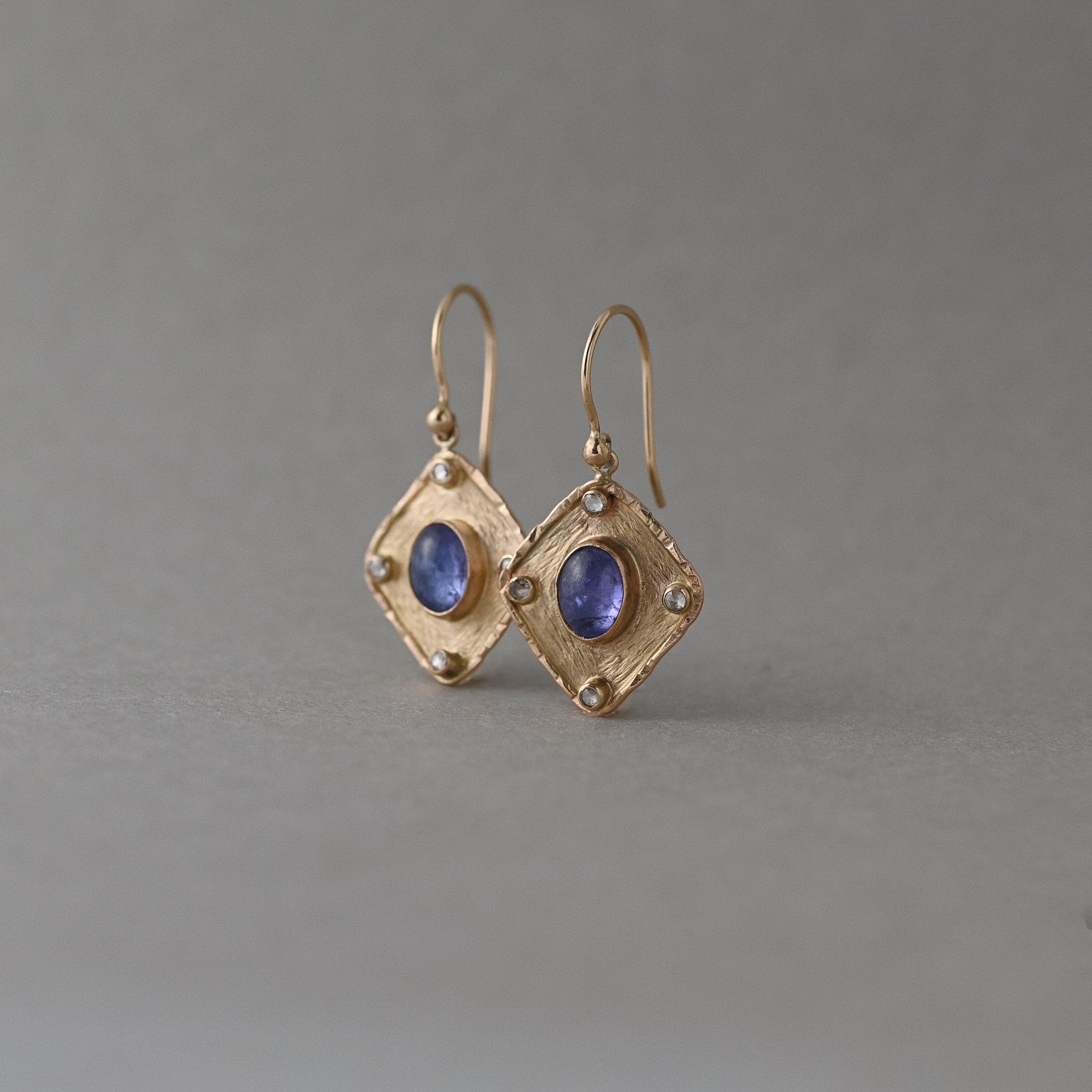
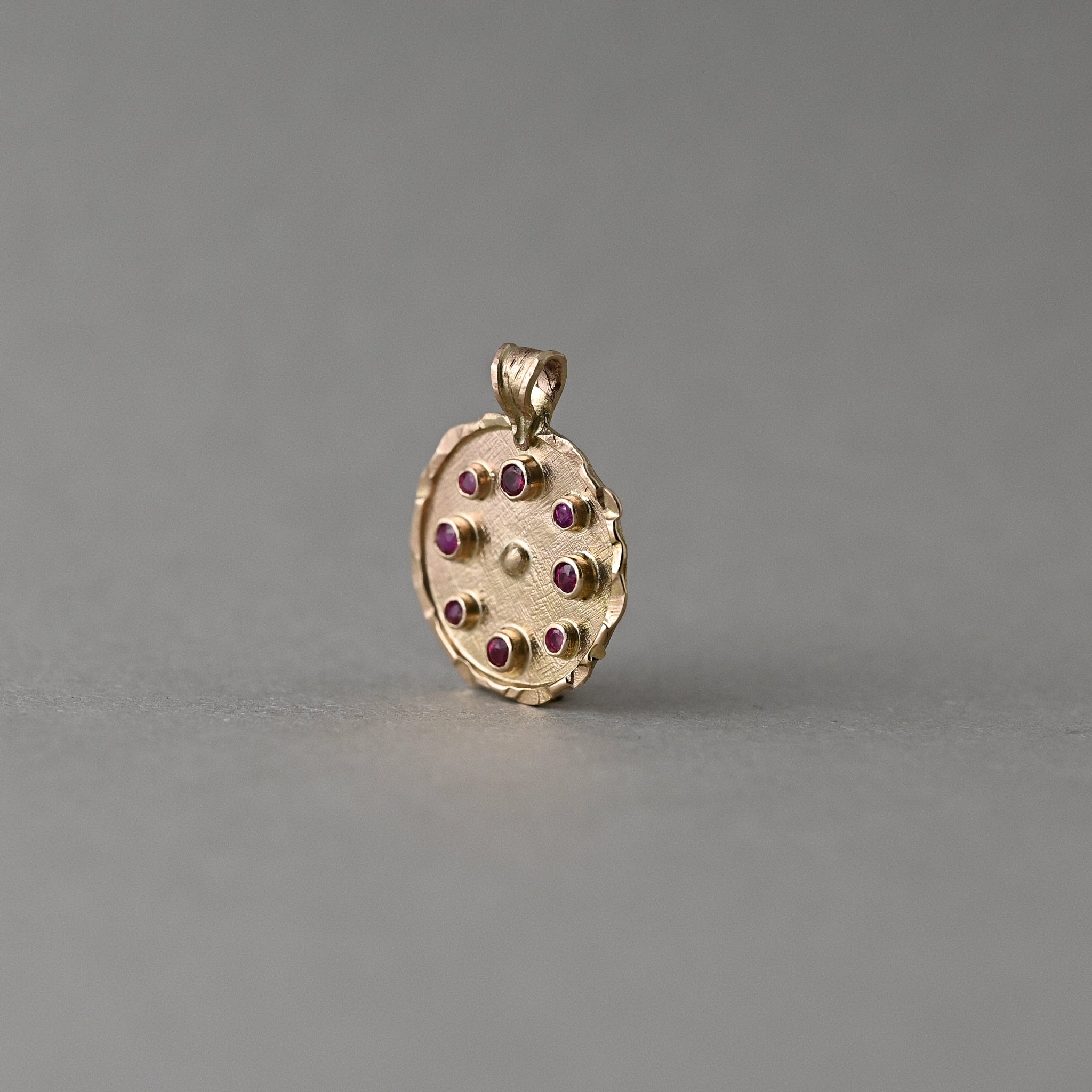
Read more
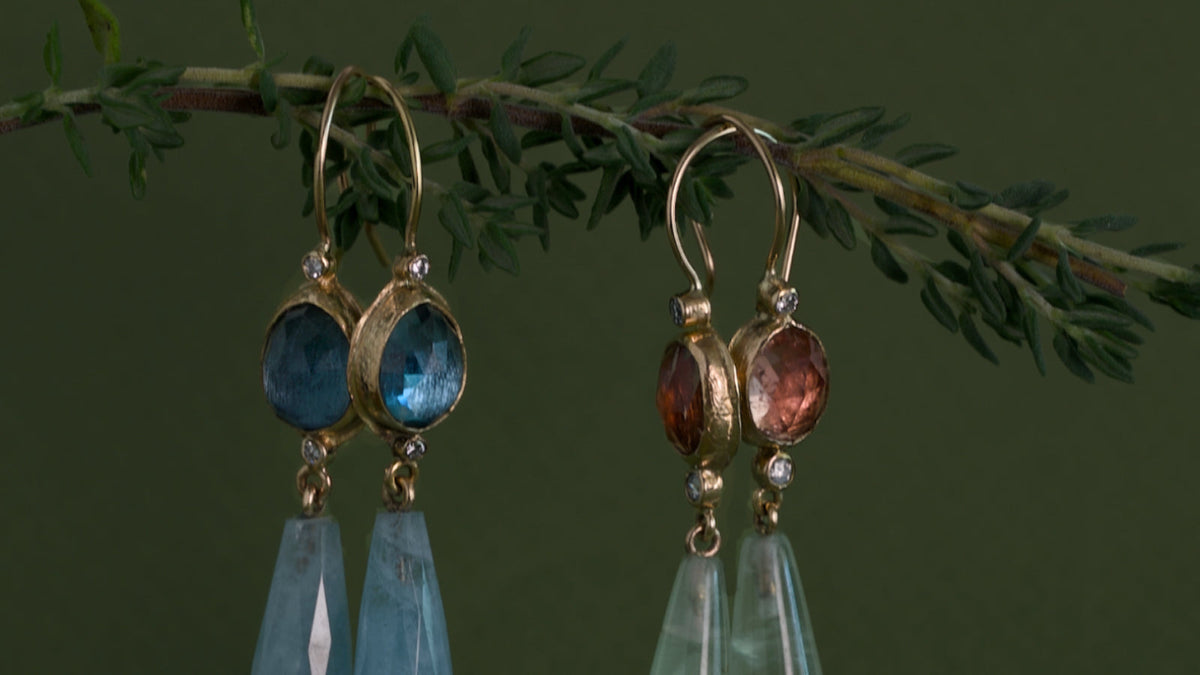
November's birthstone: Topaz. This sun & sky gemstone is just behind sapphire & diamond on the Moh's hardness scale (8) making it ideal for everyday jewellery wear. The blues are an ideal s...
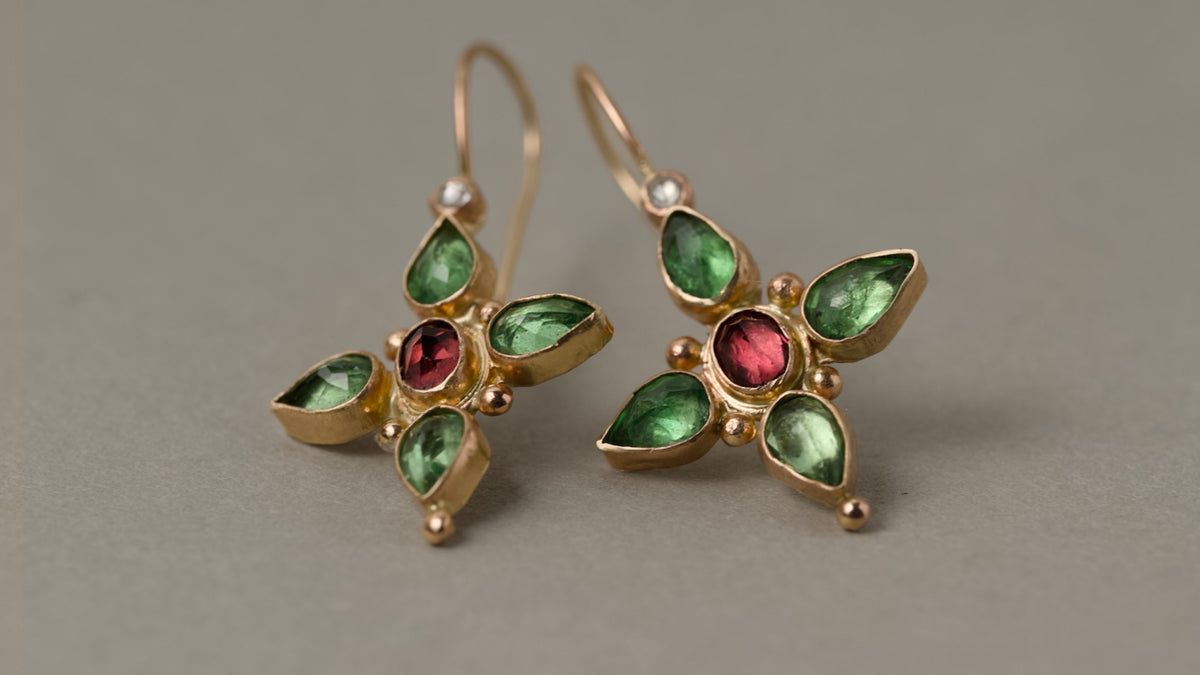
When it comes to gemstones, diamonds, sapphires & rubies often steal the spotlight. However, there is one gem that stands out from the rest – Tsavorite. This vibrant green gemstone is not only ...