

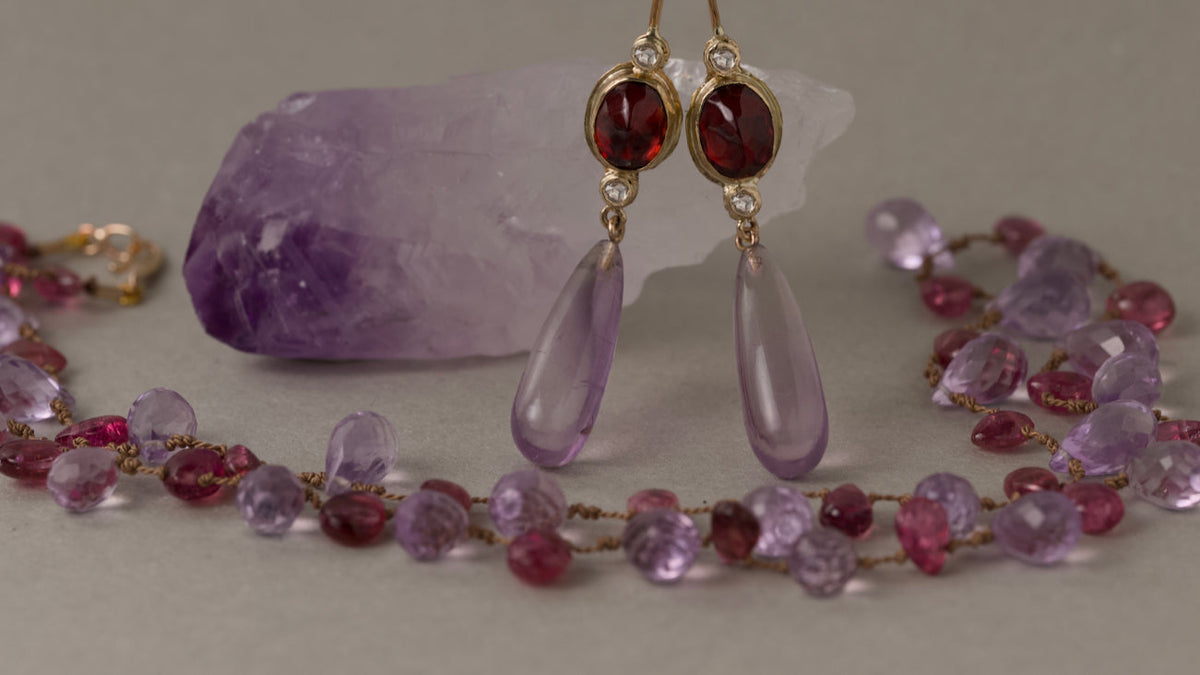
February Amethyst — Creativity & Confidence
From the fiery intensity of January’s garnets, February turns cooler and more focused with amethyst as its birthstone.
The year opens with clarity and depth in amethyst. Long associated with thought, imagination, and inner strength, amethyst sits at the meeting point of intellect and intuition. Its violet spectrum — from soft lilac to saturated royal purple — has made it one of the most recognisable and enduring gemstones in jewellery history.
With a hardness of 7 on the Mohs scale, amethyst wears comfortably in everyday pieces, lending itself beautifully to earrings, pendants, and necklaces where light can move freely through the stone.
“From green to purple — amethyst’s beginnings”
Amethyst belongs to the quartz family, sharing its mineral structure with citrine, smoky quartz, and rose quartz. What distinguishes amethyst is trace iron within the crystal, combined with natural irradiation during formation, creating its signature purple hues.
Less commonly seen is green amethyst — also known as prasiolite — which occurs naturally in rare conditions or is gently heat-treated from select amethyst material. Its soft, silvery green carries a cooler quality, offering a quieter alternative within the same mineral family.
At the palest end of the spectrum sits Rose de France amethyst. Named for its delicate, lavender-pink tone, this variety feels airy and light, with a translucence that softens gold and allows jewellery to read as subtle rather than dramatic.
“An underrated stone with a polarising colour”
Amethyst is often underestimated, remembered for the heavily saturated purple stones widely used in Victorian jewellery. While those deep tones have shaped its reputation, they represent only a narrow part of the amethyst spectrum. Cooler lilacs and pale greens reveal a far more versatile stone, one that moves easily between softness and structure. In these lighter expressions, amethyst becomes less ornamental and more adaptable, sitting comfortably alongside modern fine jewellery and contemporary design.
“Creativity, progression, and confidence”
Historically, purple has been linked to creativity, progression, and confidence. Ancient cultures associated amethyst with clarity of mind and steady confidence, a stone worn to support thoughtful decision-making and forward movement. It has long been connected to artists, thinkers, and makers — those who move ideas from imagination into form — making it a fitting stone for the beginning of the year.
As the birthstone for Aquarius, amethyst reflects the sign’s independent nature and originality. Whether worn for its symbolism or simply for its colour, amethyst remains timeless — a gemstone that feels anchored rather than seasonal.
In jewellery, it offers depth and presence, with a refined and enduring character.

Read more
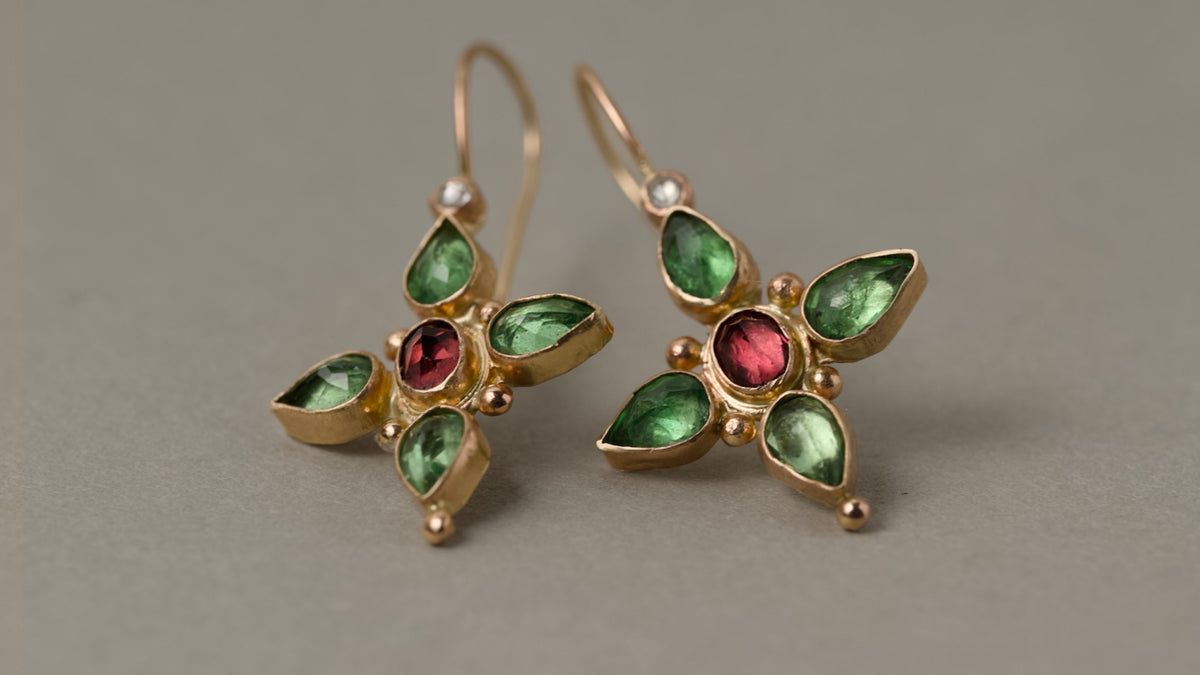
When it comes to gemstones, diamonds, sapphires & rubies often steal the spotlight. However, there is one gem that stands out from the rest – Tsavorite. This vibrant green gemstone is not only ...
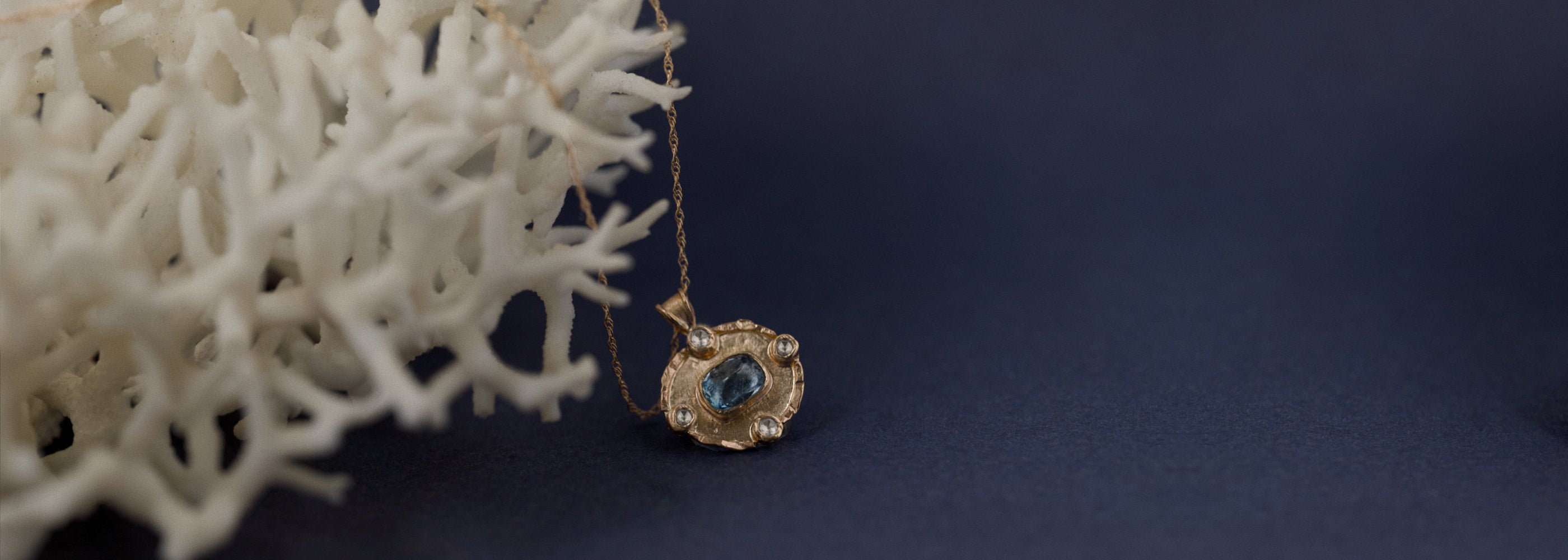
Aquamarine is the serene blue member of the beryl family. Defined largely by its colour, true aquamarine appears only in shades of blue and blue-green. The familiar phrase “aquamarine blue” suggest...