

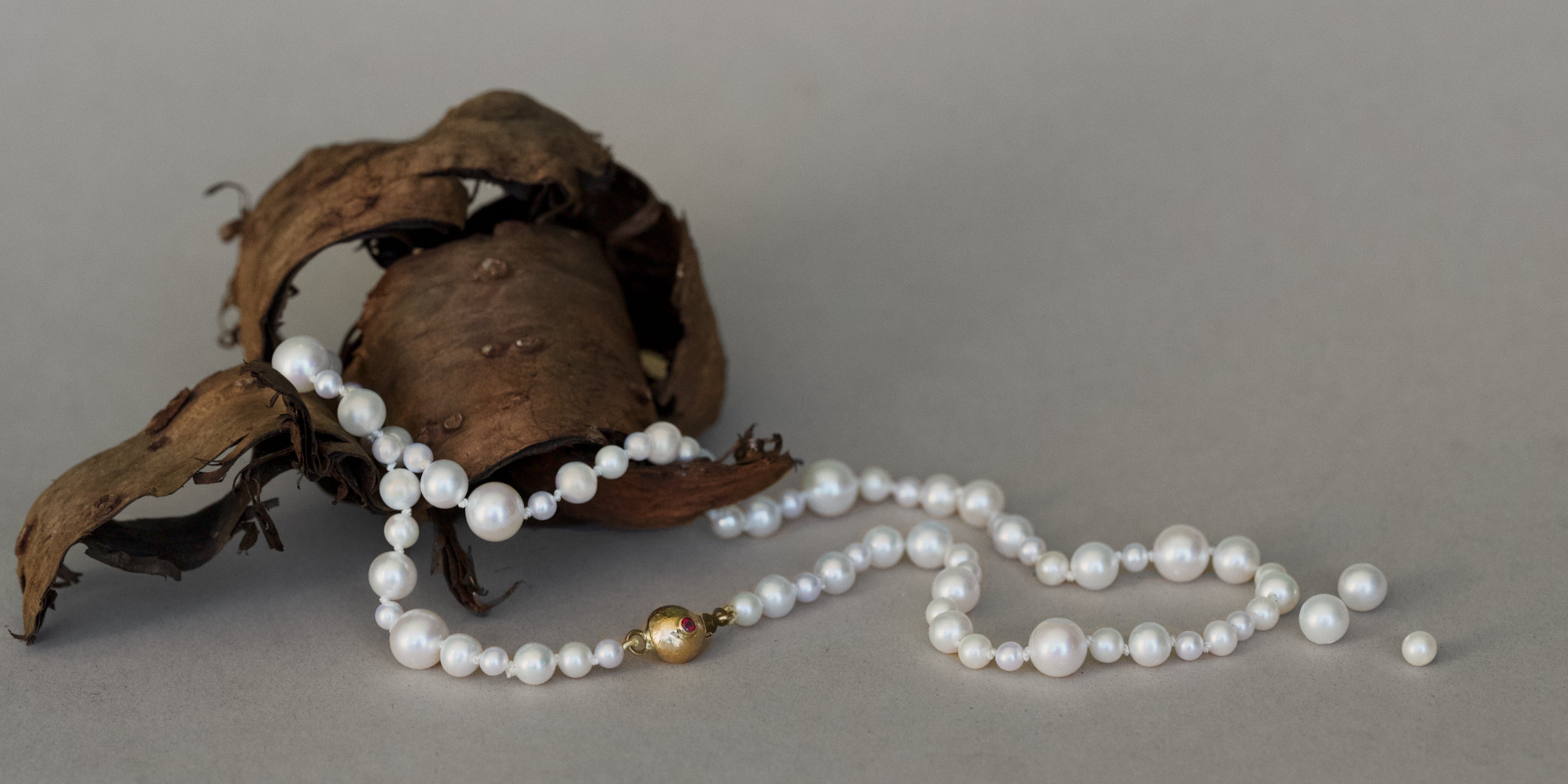
Provocative Pearls: Cartier to Lady Gaga
Pearls have captured the hearts of jewellery lovers for centuries. These lustrous gems have adorned some of history's most famous figures, from royalty to Hollywood icons. From Cleopatra and Elizabeth Taylor to Lady Gaga, pearls have left an indelible mark on jewellery, fashion and culture.
La Peregrina — A Pearl Fit for Royalty
La Peregrina is a perfectly symmetrical natural pearl discovered in Panama more than 500 years ago. Weighing an extraordinary 55 carats, the pear-shaped pearl has passed through royal and aristocratic hands, including the Spanish monarchy, before eventually being bought at auction by Richard Burton in 1969 for US$37,000.
Burton gave La Peregrina to Elizabeth Taylor as a Valentine's Day gift, and it famously nearly came to grief when Taylor misplaced it — only to discover the pearl in the mouth of one of her puppies.
Its extraordinary provenance and association with royalty and Hollywood only increased its fame. In 2011, La Peregrina was sold from Elizabeth Taylor's estate for more than US$11 million and is now held in a private collection.
The Pearls That Bought Cartier's New York Flagship
One of the most remarkable stories in pearl history involves Cartier's Fifth Avenue mansion.
In 1917, Pierre Cartier was searching for a New York flagship when Maisie Plant fell in love with a double strand of exceptional natural pearls that Cartier had taken years to assemble. Her husband, financier Morton Plant, owned a mansion on Fifth Avenue that Cartier coveted.
A deal was struck: the mansion was exchanged for the pearls, together with a nominal cash payment. The former Plant residence became Cartier's New York flagship and remains so today.
The timing, however, proved unfortunate for the Plants. The natural pearl market was about to be transformed by the development of cultured pearls. When Maisie Plant's necklace was eventually sold decades later, its value had fallen dramatically.
Mikimoto and the Cultured Pearl
Kokichi Mikimoto is credited with pioneering the cultivation of pearls in Japan in the late nineteenth century. His work transformed the jewellery industry.
Before cultured pearls, assembling a beautifully matched natural pearl necklace could take years, while pearl divers risked their lives searching for the rare oysters that might contain them. Cultivation allowed real pearls to be produced under controlled conditions with human intervention, making their beauty available to a far wider audience.
Mikimoto remains synonymous with fine cultured pearls today, demonstrating what can happen when nature and human ingenuity work together.
Pearls have also crossed boundaries in a way few other gemstones have. They appear on royalty, politicians, fashion figures and film stars. Anna Wintour, Princess Diana and Hillary Clinton all famously wore very different interpretations of pearl jewellery at a White House luncheon in 1996 — from precious natural pearls to classic strands and baroque styles.
That versatility is part of their enduring power. Pearls can represent extraordinary rarity and wealth, yet they can also be democratic, playful and personal.
Lady Gaga's Pearl Epiphany
Lady Gaga captured this beautifully when she described buying herself a strand of Mikimoto pearls during a visit to Japan. Rather than waiting for someone else to give her jewellery, she chose pearls for herself — and then bought strands for the important women in her life.
For Gaga, the pearls became symbols of womanhood, family, memory and gratitude.
Perhaps that is why pearls continue to endure. Their history encompasses royalty and commerce, natural rarity and human innovation, tradition and reinvention. The arrival of the cultured pearl opened that history to a much wider audience, allowing pearls to mark milestones at almost every level of jewellery.
From La Peregrina to Mikimoto and Lady Gaga, pearls have never really been as conventional as they appear

Read more
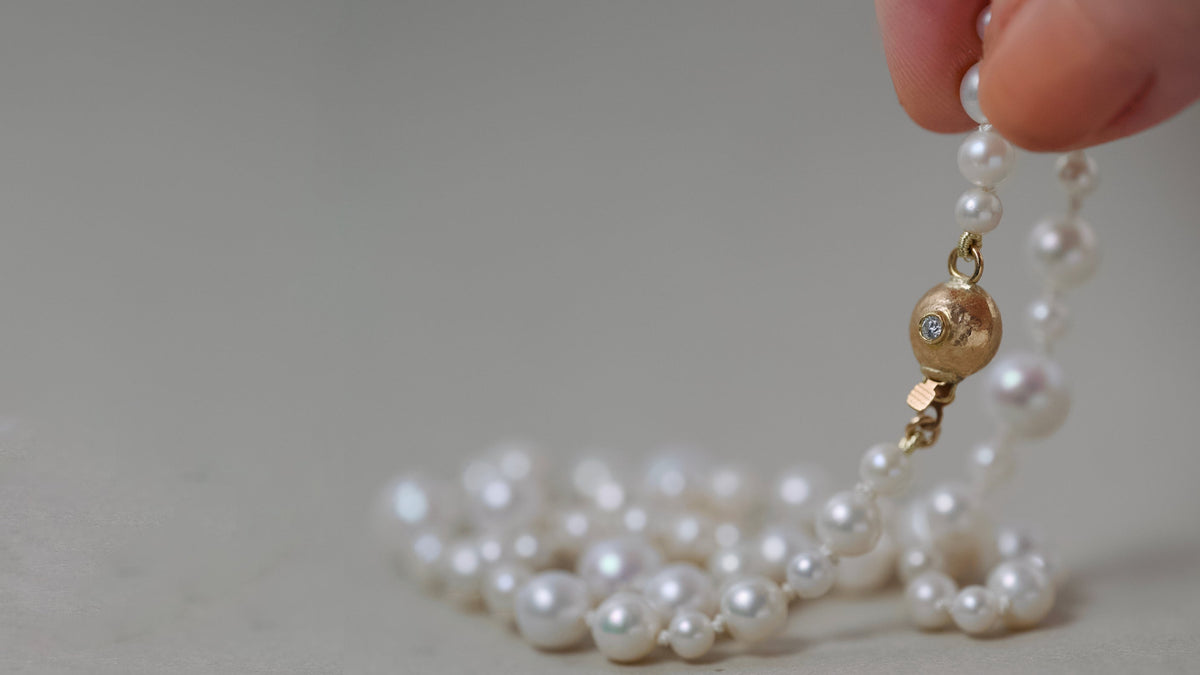
Why are pearls so special? Gone are the days of pearls being a bit boring and expensive, there are now so many options, once you distill down your preferences, selection becomes easier and choosing...
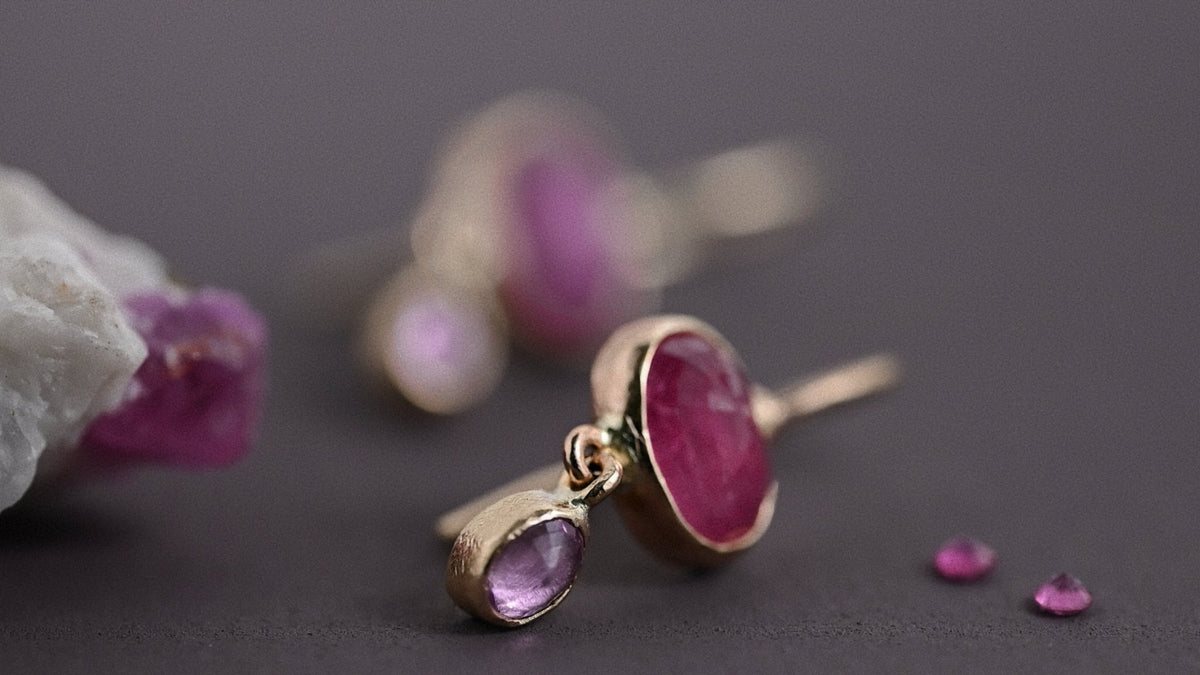
For us here in the Southern Hemisphere, July arrives just after the winter solstice and Matariki, the Māori New Year — a season of reflection and renewal. Meanwhile, those in the north are enjoying...