

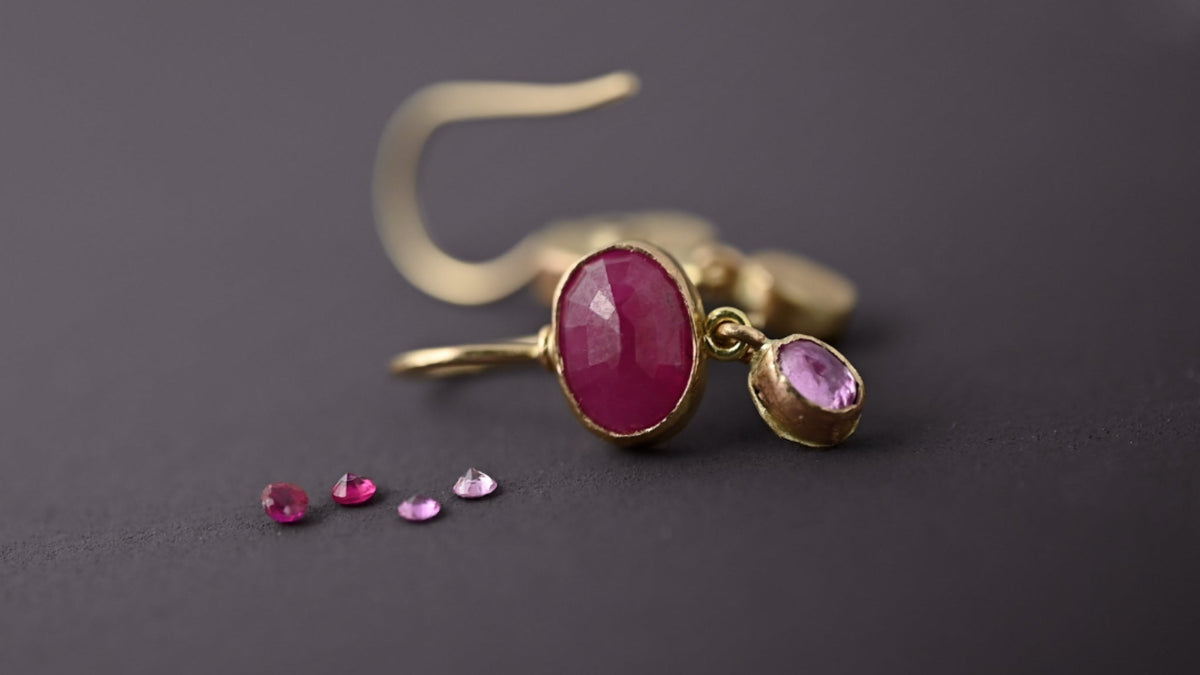
When Does a Pink Sapphire Become a Ruby?
Red sapphires are rubies & pink sapphires are not rubies
When it comes to coloured gemstones, pink sapphires and rubies occupy the red end of the spectrum. Although they share the same mineral composition and often appear remarkably similar, they are separated by the intensity of their red hue, rarity, provenance in some cases, and ultimately, price. The boundary between the two is far from clear, with no internationally recognised standard that defines precisely where a pink sapphire becomes a ruby. That distinction matters, as the difference in value between an exceptional pink sapphire and a fine ruby can be substantial.
Same composition, same hardness index, same refractive index
Both pink sapphires and rubies belong to the corundum family, a crystalline form of aluminium oxide. With a hardness of 9 on the Mohs scale and the same refractive index, they are second only to diamond in durability. Scientifically, they are almost identical.
Their colour is determined by trace elements. Rubies owe their rich red hue to chromium, while pink sapphires contain lower concentrations of chromium, often alongside iron and other trace elements. Heat treatment can further intensify colour, producing the vivid hot pink and deep magenta sapphires now commonly seen in the gemstone market.
Rubies and pink sapphires are found in many of the same regions, including Myanmar, Sri Lanka, Madagascar and Tanzania. While their geological origins may differ, provenance alone does not determine whether a gemstone is classified as a ruby or a pink sapphire. Ultimately, the distinction comes down to colour.
It's all about the colour
The defining difference between pink sapphires and rubies is colour. Rubies possess a dominant red hue, ranging from rich crimson to vivid slightly pinkish-red tones. Pink sapphires, by comparison, range from the softest blush pink through to richly saturated magenta. Between the two lies a subtle grey area, where even experienced gemmologists may disagree on whether a stone is a ruby or a pink sapphire.
True rubies are eye wateringly expensive
Fine rubies are among the world's most valuable gemstones. Those displaying exceptional colour, clarity and size can command prices well beyond those of diamonds, simply because large, high-quality rubies are extraordinarily rare.
Pink sapphires remain highly prized, but they are generally more accessible than rubies. Their wider availability in both colour and size makes them an excellent choice for those seeking a richly coloured pink gemstone without the premium attached to a fine ruby.
So how do I tell if I am buying a ruby and not a pink sapphire?
[Image: pink sapphire to ruby grades]
Channeling my inner chemist, the obvious solution would be to measure the amount of chromium within the gemstone. Below a certain threshold it would be classified as a pink sapphire, and above it, a ruby. In reality, it isn't that simple. Variations in crystal growth, colour zoning and the way a gemstone is cut all influence how we perceive its colour. Add to that the differences between laboratory testing methods, and there is no straightforward chemical answer.
In practice, the classification is based on colour. Gemmological laboratories compare borderline stones against standardised master stones or colour references under controlled lighting to determine whether a gemstone falls within the accepted range for ruby or pink sapphire.
Price can sometimes be a clue, but it should never be the deciding factor. Many highly saturated pink sapphires are marketed as rubies, despite falling short of the colour required for that classification. Origin also plays a part, with Myanmar, Mozambique, Sri Lanka and Tanzania producing many of the world's finest rubies.
The most celebrated are the famous pigeon blood rubies from Myanmar, prized for their vivid red colour and exceptional quality. Sri Lanka, meanwhile, is renowned for producing beautiful pink sapphires in a wide range of delicate and vibrant shades.
Demand for fine rubies continues to outstrip supply, and prices reflect that rarity. While attractive pink sapphires can often be found for under US$100 per carat, fine rubies regularly sell for many thousands of dollars per carat. The financial incentive to describe an intensely coloured pink sapphire as a ruby remains significant.
If you're buying a pink sapphire, the decision is largely one of colour and budget. Simply choose the stone you love, while remaining aware of common treatments such as heat enhancement and, less commonly, fracture filling.
If you're investing in a ruby of significant value, purchase from a reputable dealer and obtain an independent gemmological certificate. Rubies, like sapphires, can be heavily treated, including glass filling, so extraordinary clarity combined with an unusually low price should always invite closer scrutiny.
Finally, provenance may also influence your decision. Myanmar's legendary rubies have, at times, been subject to trade restrictions because of concerns surrounding human rights and military control of mining. Although they are now widely traded, many buyers prefer stones from Mozambique or other regions where provenance is more transparent.

Read more
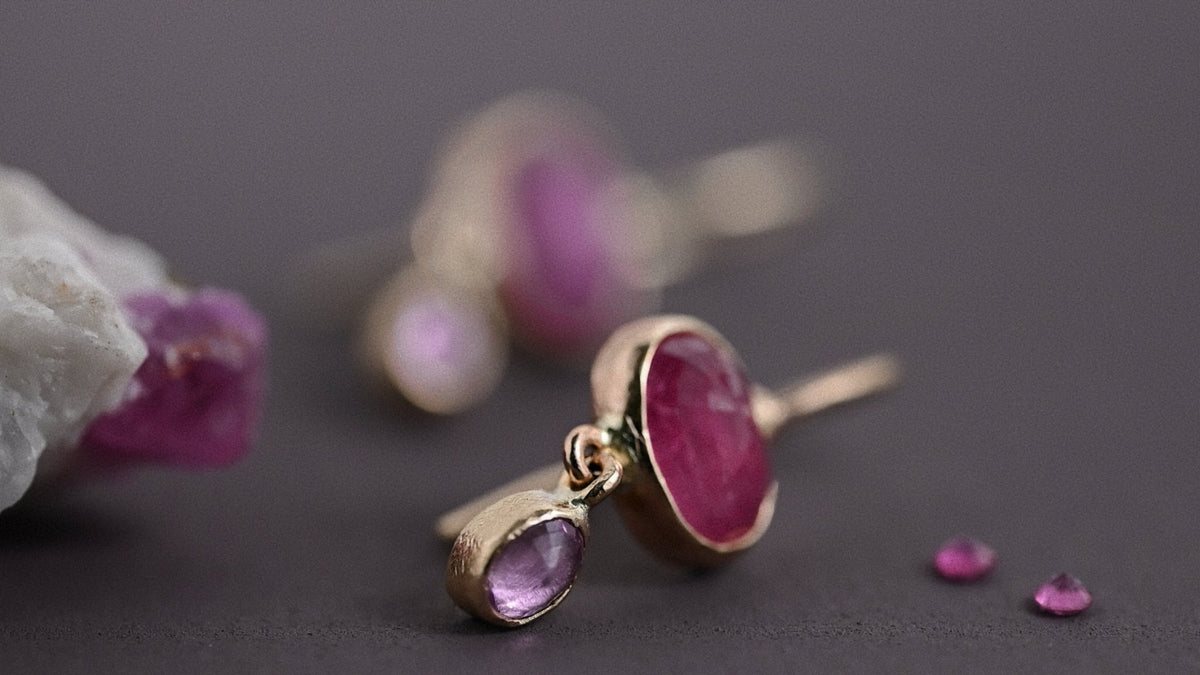
For us here in the Southern Hemisphere, July arrives just after the winter solstice and Matariki, the Māori New Year — a season of reflection and renewal. Meanwhile, those in the north are enjoying...
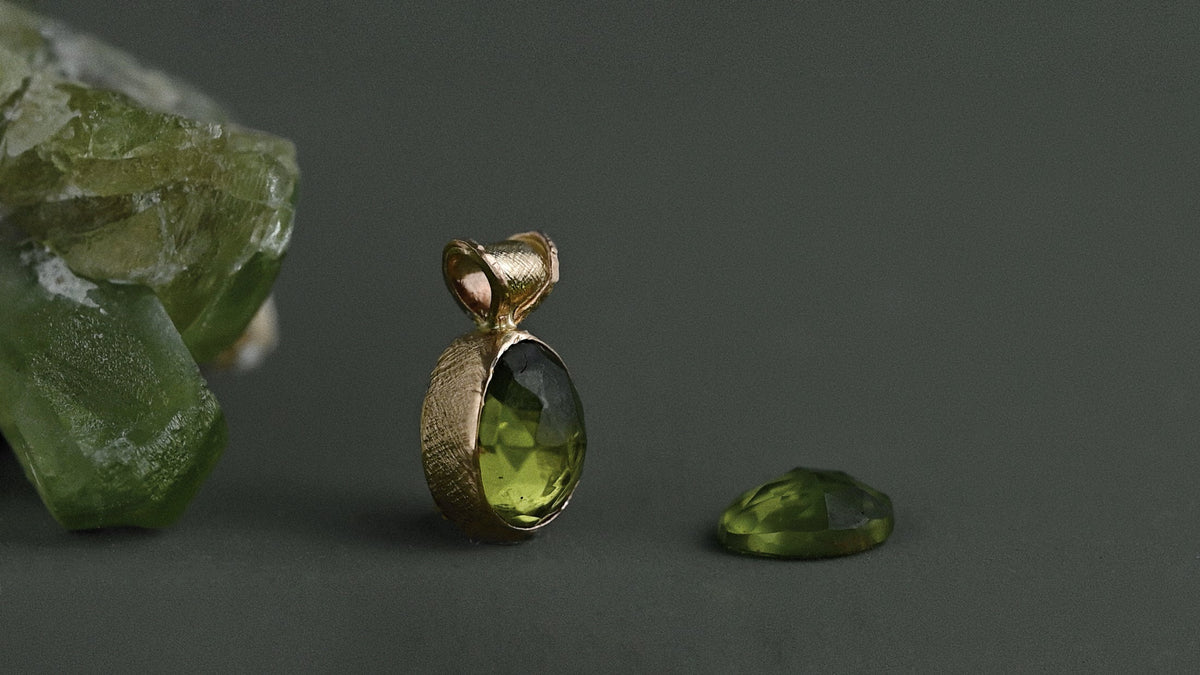
The Peridot birthstone, for August, stirs the slumbering earth, peridot heralds the first whisper of spring (well, here in the Southern Hemisphere at least). This verdant gem needs no coaxing — no ...