

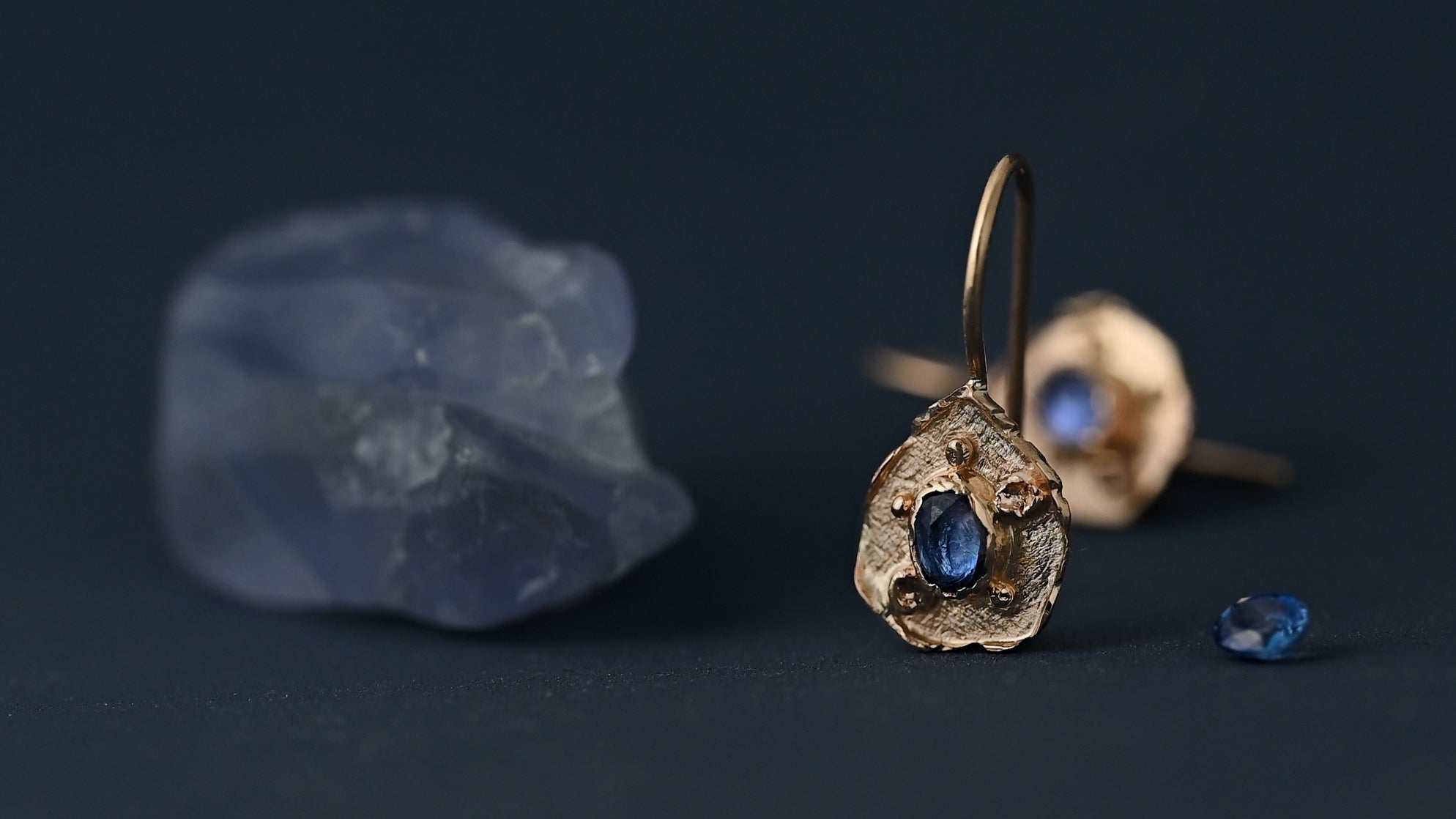
Sapphire Truths — Nature, Heat, and Dishonourable Treatments
After Nature perfected the solitary green hue with August's peridot, she went riotous for Spring (well at least in the Southern Hemisphere) with the gemstone sapphire by literally making it in every colour. Nature's rainbow gems summarise the September birthstone perfectly, ranging from the famous blues to greens, yellows, oranges and pinks.
True red sapphires are actually rubies, worthy enough to have a separate name, month and category. The distinction between a pink sapphire and a red ruby is considerably more complicated and worthy of a topic of its own.
Sapphires are tough and hard, second to diamond at 9/10 on the Mohs hardness scale. Along with diamonds, rubies and emeralds, they comprise the original category of precious gemstones.
They even have their own hall at the Hong Kong Jewellery Show, where anybody with an unlimited wallet can buy surreal gems — or interested observers can enjoy the drama of these extraordinary transactions.
Besides jewellery, sapphire has a tonne of industrial uses, from sandpaper and other abrasives to sapphire glass on watches.
Sapphires come from aluminium oxide — corundum — and trace elements give sapphires and rubies their superb colours. Ruby and sapphire are actually the same mineral; it is those trace elements and resulting colour that create the distinction.
“While natural is gorgeous, heat treatment for sapphires has a history going back to ancient times”
Sapphires are renowned for their stunning array of natural colours, ranging from deep blue to vibrant pink, yellow and even rare green hues.
Colour treatment is also responsible for some of the lolly-box colours now available, including hot pinks and bright oranges that advances in modern technology have made possible.
But before cries of “natural only!”, it is worth remembering that for something pulled from the ground, sunlight and radiation can have an effect on colour — we all know sunlight bleaches.
Heat treatment has for centuries been a way of giving the gemstone greater stability and enriching its hues without altering its fundamental chemical composition.
The practice can be traced back to ancient times and is believed to have first been discovered in India, where sapphires were heated to improve their colour. The technique was later adopted by other cultures, including the Greeks and Romans, who valued the vibrant hues that heating produced.
Over the centuries the process became increasingly sophisticated. During the twentieth century, new techniques and technologies were developed to achieve more consistent results.
Today, heat treatment is a widely accepted and common practice within the gemstone industry.
“Heat treatment is overall a benefit to the colour and clarity of a sapphire”
But are heated sapphires still natural and acceptable?
Yes. Technically the gemstone remains corundum.
Heat treatment is detectable, so there is little point hiding it: proper gem analysis will reveal it.
The ring pictured in the original article contains an unheated Ceylon blue sapphire accompanied by heat-treated orange sapphires. At the Hong Kong Jewellery Show, where Vermilion sapphires are selected, experienced dealers can often recognise these differences simply by examining the stones.
Generally speaking, natural no-heat sapphires can have a softer lustre and smoother visual character. Heated sapphires can display a harder, more glass-like appearance by comparison.
Heating can enhance the colour of a sapphire, making it more vibrant and appealing. It can also improve clarity by reducing the appearance of inclusions and imperfections.
These improvements in colour and clarity can increase desirability, although an exceptional untreated sapphire carries its own rarity and premium.
The enhancement you want to avoid: Glass Filling Treatments & Radiation
Unlike natural and conventionally heat-treated sapphires, glass-filled gemstones are more susceptible to damage from heat, chemicals and ultrasonic cleaning.
From a jeweller's point of view, this is particularly important because traditional jewellery techniques can damage them. Correctly identifying the treatment is therefore crucial.
If a jeweller does not know that a sapphire has been glass filled, the stone may be irreparably damaged by a cleaning or repair method that would ordinarily be safe for natural or heat-treated sapphire.
Glass filling should absolutely be declared. It significantly alters the gemstone, reduces its value and is readily detectable.
There may be a market for buyers simply wanting the appearance of sapphire at a bargain price, but when a stone has been so significantly altered and weakened, there are plenty of alternative gemstones available.
And while vivid lolly colours have their place, there are also plenty of untreated sapphires available in more subtle hues, including stones from Australia and the USA.
“Irradiation is but a false dawn.”
Some sapphires are artificially irradiated to induce bright, unnatural colours — neon blues, violets or greens.
While striking initially, these colours may be unstable and can fade through exposure to light or simply with time.
This makes irradiation a very different proposition from traditional heating, particularly when permanence and durability are expected from fine jewellery.
As always, it is buyer beware. If in doubt, ask the seller or request an independent certificate.
Certificates themselves can be falsified, so ultimately there is no substitute for buying gemstones from reputable sources.
At the Hong Kong Jewellery Show, treatments such as glass filling and heating are readily declared without apology or deception. With lab diamonds and increasingly sophisticated treated or synthetic gemstones in the market — particularly online — personally selecting stones and developing long-term relationships with knowledgeable gemstone dealers remains invaluable.

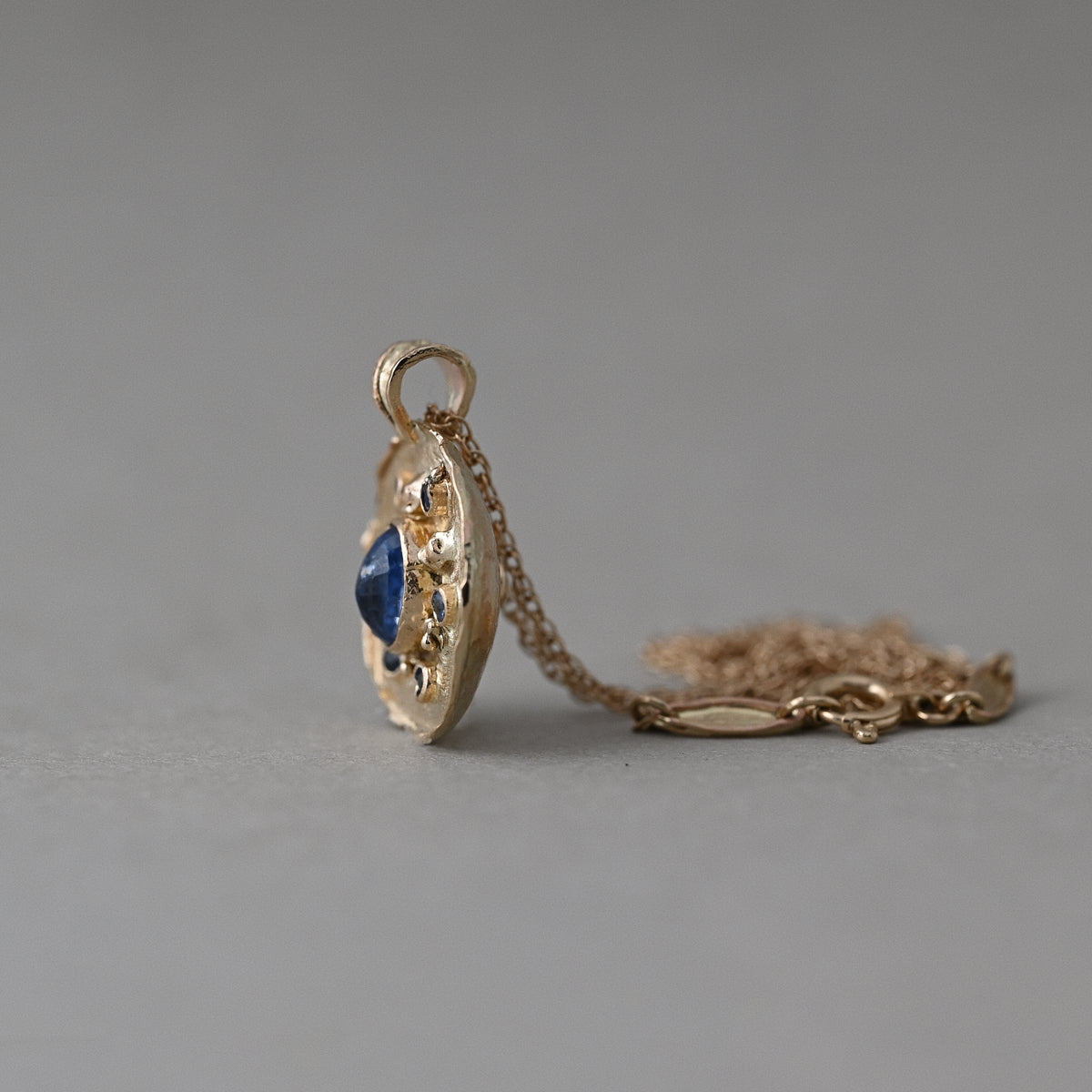
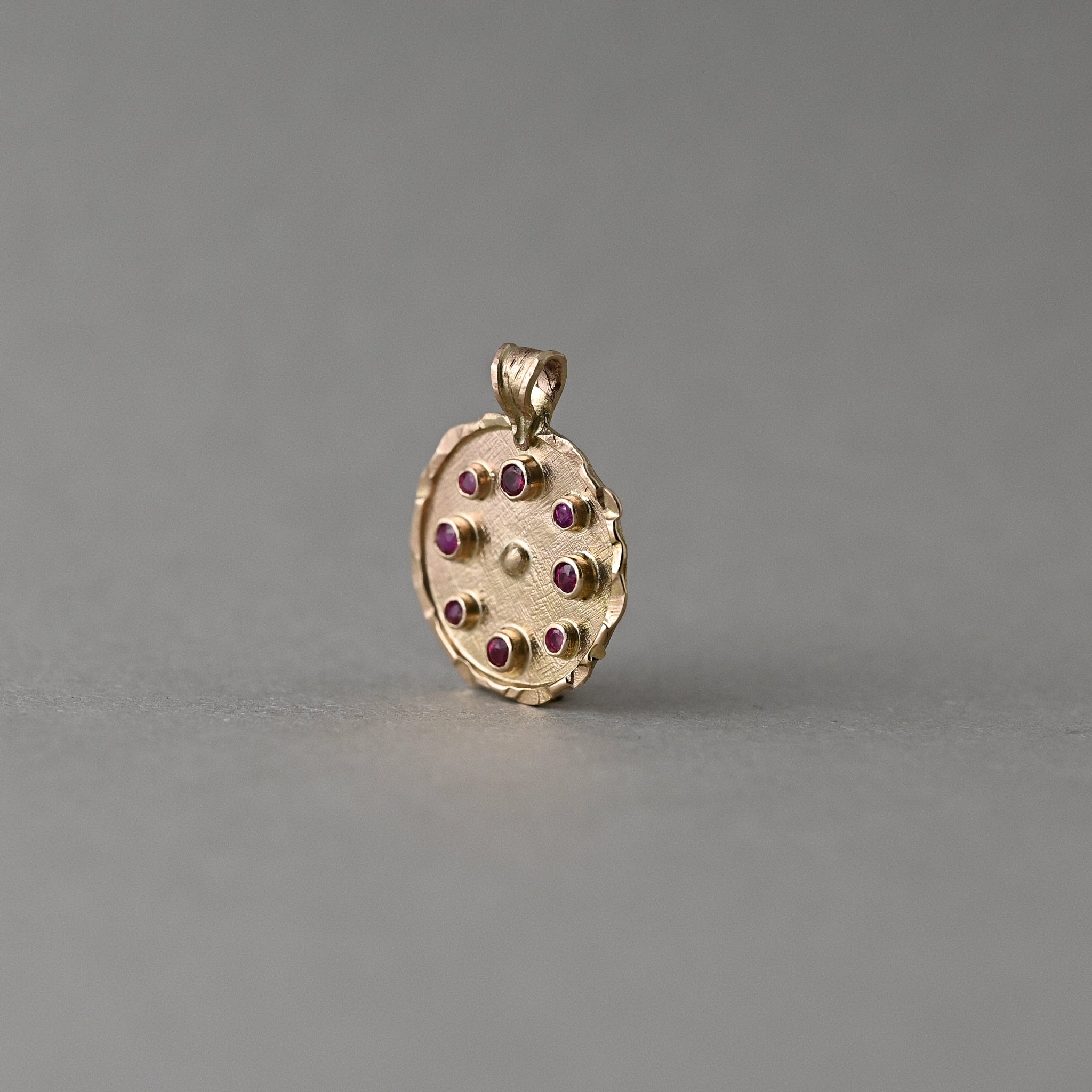
Read more
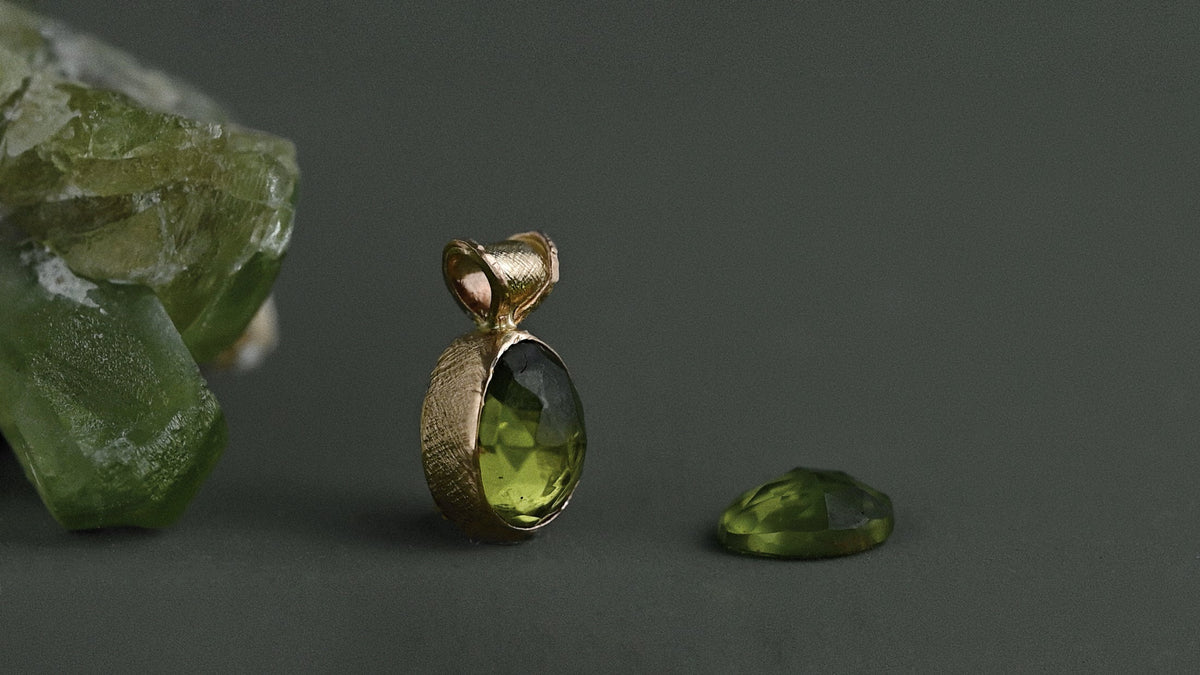
The Peridot birthstone, for August, stirs the slumbering earth, peridot heralds the first whisper of spring (well, here in the Southern Hemisphere at least). This verdant gem needs no coaxing — no ...

Do you fancy an escape to turquoise tropical waters or watching the sun create glittering greeny blue waves? Then, this is the gemstone for you. Egyptian mythology says tourmaline passed through a ...